Funder: Department for Transport / Innovate UK
Competition: Zero Emission Flight Demonstrator Round 1
Project Start: 1st September 2026
Project End: 30th November 2027
Project Description:
Zero emission aviation is rapidly progressing toward commercial readiness, with electric aircraft expected to enter service within the next few years. As pre-production aircraft become available, the UK, particularly its more remote regions, has a vital opportunity to lead in proving this technology, supporting connectivity while contributing to the national goal of reaching net zero by 2050.
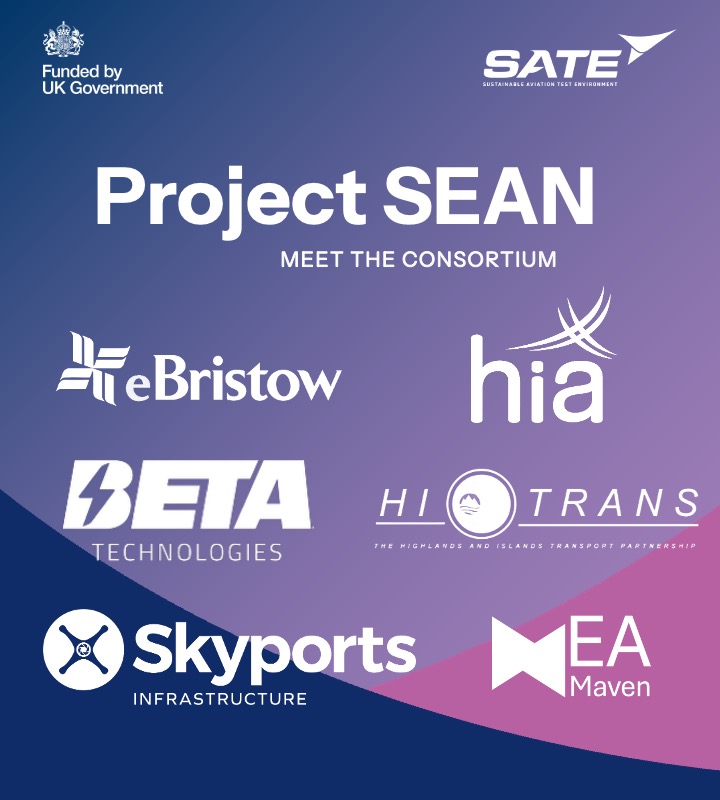
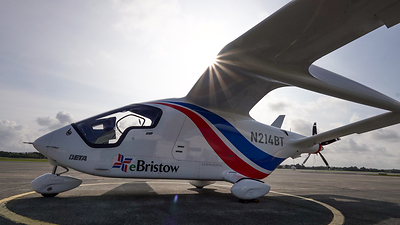
This project brings together a world-leading consortium to deliver a structured, real-world demonstration of zero‑ emission regional flight. The consortium includes Bristow Helicopters Ltd, BETA Technologies (manufacturer of the all-electric‑ Alia CX300 eCTOL aircraft), EA Maven, Skyports, Highland and Islands Airports Ltd (HIAL), and The Highlands and Islands Transport Partnership (HITRANS), the statutory transport partnership for the Highlands and Islands and the owners of the SATE initiative.
Building on experience from initiatives such as Norway’s Test Arena for Zero and Low Emission Aviation, the UKRI OXCAM project, and the SATE project, the Consortium will develop an evidence-based hub-and-spoke network using Inverness Airport as a hub connecting to selected Scottish regional airports, including Wick. A data‑driven demand model will identify real operator demand across a variety of cargo, medical, and passenger routes, ensuring the network is appropriately sized and informing assessments of electricity requirements at each operating location. Supporters like the Royal Mail will share insights to their network, delivery commitments and the reliability and sustainability challenges to meet those commitments, and this project will aim to identify solutions.
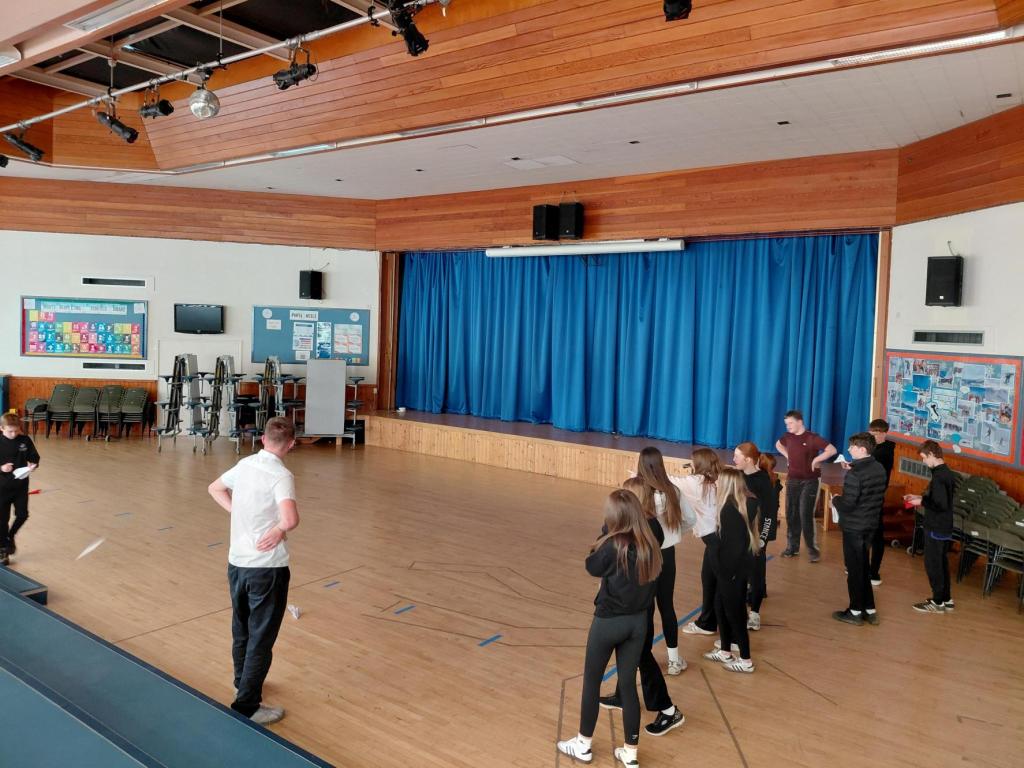
Recognising the importance of early public engagement, HITRANS will lead community outreach to communicate the benefits of electric aviation and articulate its positive socioeconomic impact for local audiences. The project will also address the practical challenges of integrating electric aircraft into regional airports. This includes developing a standardised airport Concept of Operations (CONOPS), assessing infrastructure requirements, and installing fast charging capability at Inverness Airport, alongside a study of alternative charging solutions for grid constrained locations. The programme will conduct in a three-month series of live demonstration flights using the BETA Alia CX300 aircraft. Led by Bristow, this operational phase will cover flight planning, pilot qualification, operational risk assessment and regulatory alignment, ensuring the demonstrator reflects real-world operating conditions. Required approvals will be sought from the UK Civil Aviation Authority (CAA), aligned with US Federal Aviation Administration (FAA) airworthiness certification, enabling operations under both visual and instrument flight rules.
The project will conclude with a comprehensive report assessing ecosystem readiness and providing evidence-based recommendations to support future commercial zero emission aviation operations in Scotland.
FAQ’s
Electric aircraft are coming to the Highlands. Here’s what you’re asking.
Project SEAN is testing a fully electric aircraft on real Highland routes — and SATE is sharing the story. Here are the questions we hear most from the communities who’ll see it fly.
The basics
What is electric aviation?
Electric aviation uses batteries and electric motors to power aircraft instead of jet fuel. Project SEAN is testing this technology for real in the Highlands, with BETA’s ALIA conventional takeoff and landing (CTOL) aircraft, which is all-electric and produces no direct emissions during flight.
Is it safe?
Safety comes first. Before any flights happen, the aircraft and operations must be approved by the UK Civil Aviation Authority (CAA). BETA’s ALIA CTOL aircraft has already safely flown across Scotland in early 2026. Every flight in Project SEAN is operated in partnership with Bristow, a company with over 75 years of aviation experience, using qualified pilots and the same rigorous safety standards as any other aircraft.
How far can the BETA ALIA aircraft fly?
BETA’s published specifications state that their ALIA CTOL has a max demonstrated range of 336 nautical miles (roughly 620 km) on a single charge with capacity for up to six people. That range makes it well suited to short regional routes between Highland airports such as Inverness and Wick.
Why the Highlands?
For many Highland and island communities, air travel is an essential link to healthcare, education, work and family. Electric aircraft are well suited to the region’s short routes and would reduce both operating costs and emissions. HITRANS also brings experience in low-carbon aviation, having led the UK’s first operational low-carbon aviation test centre at Kirkwall.
What are the environmental benefits?
Electric aircraft produce zero emissions while flying, and they’re quieter than conventional aircraft — both good news for nearby communities. Project SEAN is measuring these benefits properly as part of the project, which supports Scotland’s wider push toward net-zero transport.
What could this mean for passengers, freight and costs?
Over time, electric aviation could offer passengers cleaner, more affordable regional travel and help deliver freight, mail and medical supplies more quickly to remote communities. For now, Project SEAN is a research and testing programme, so there are no tickets for sale or scheduled services. The findings will help us understand what future services could look like, including potential costs, fares and timetables.
What’s the timeline for scaling electric aviation in the Highlands?
Project SEAN runs until the end of 2027, with real test flights between Inverness, Wick and other Highland airports planned for that year. A final report will then outline the steps needed to introduce and scale future commercial services, supporting Scotland’s wider ambition for net-zero air transport across the Highlands and Islands by 2045.
A few more things people might ask
Will the aircraft be noisy?
Electric aircraft are generally quieter than conventional turboprop or jet aircraft, because they use electric motors rather than combustion engines. The project will measure aircraft noise, and we welcome feedback from people living near the participating airports.
Will I get the chance to fly on it?
There won’t be opportunities for the public to fly during this project, as trained pilots will carry out test flights to assess safety and gather data. We do plan to hold community open days and previews, so people can see the aircraft up close and learn more.
How can I find out more or get involved?
Sign up to the project newsletter, follow updates on LinkedIn, or visit the project website for the latest news. We’ll also run community council surveys and liaison groups — if you’d like to share your views, get in touch and we’ll make sure you’re heard.
Who is behind Project SEAN?
Project SEAN is led by Bristow Group, working with HITRANS (who lead community engagement), BETA Technologies (who build the aircraft and charging equipment), Skyports (charging infrastructure), Highlands and Islands Airports Limited, and EA Maven (demand modelling, scheduling and economics). The project is supported by the Department for Transport and Innovate UK.
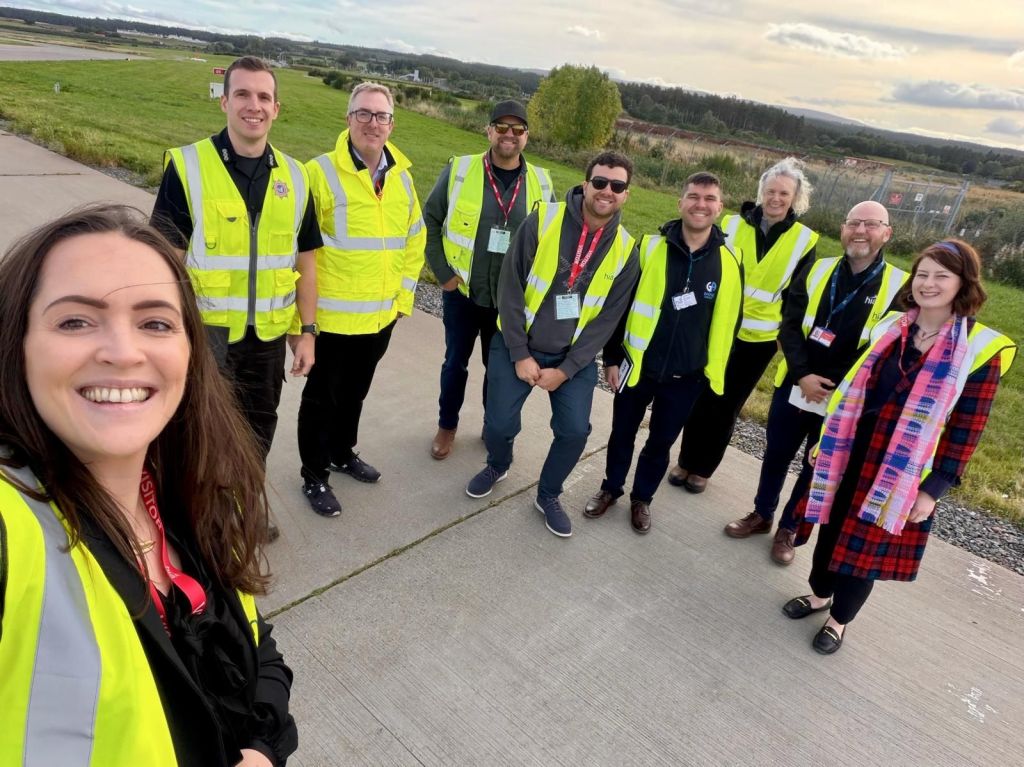
The team behind the project
Want to follow the journey or have your say?
Community council surveys and liaison groups run throughout the project — get in touch any time to make sure your views are heard.