
Since SATE 2 kicked off in July 2022, we’ve made undeniable progress toward making sustainable flight a reality. Trial flights, new research and our first conference have been just some of the highlights, but as this phase of the project draws to a close, the SATE team have looked back at the past two years and set out their highlights in their own words.
Jayne Golding, SATE manager, said, “I’m really proud that we’ve brought world leading sustainable aviation technologies to the Highlands and Islands of Scotland through SATE. We had ambitious aims for the project, and I’m delighted that we’ve not only fulfilled these, but we’ve also expanded our remit, welcomed new partners, and secured participation in two CAA sandboxes that will significantly aid our understanding of emerging aviation technology. All partners should be very proud of these achievements, and I’m excited to see what comes next.”
The expansion beyond initial goals is a testament to the dedication and vision of the entire team. From pioneering trials with electric aircraft to exploring the integration of drones for essential services, SATE has consistently pushed the boundaries of what’s possible.
Lukas Princ, SATE business manager, highlights the crucial aspect of moving beyond theoretical concepts to real-world applications. “To me, SATE has made significant progress in advancing emerging sustainable aviation technologies, helping to raise their technology readiness levels (TRL) towards real commercialisation. Moving beyond early testing and use case definition, we have validated the technical and operational feasibility of some of these innovations in real-world settings. This journey has deepened our understanding of the different pathways each technology takes to market, recognising that no single route fits all. SATE has evolved from a localised test centre into a regional asset, supporting industry collaboration and accelerating the integration of sustainable aviation into the regional transport system.”
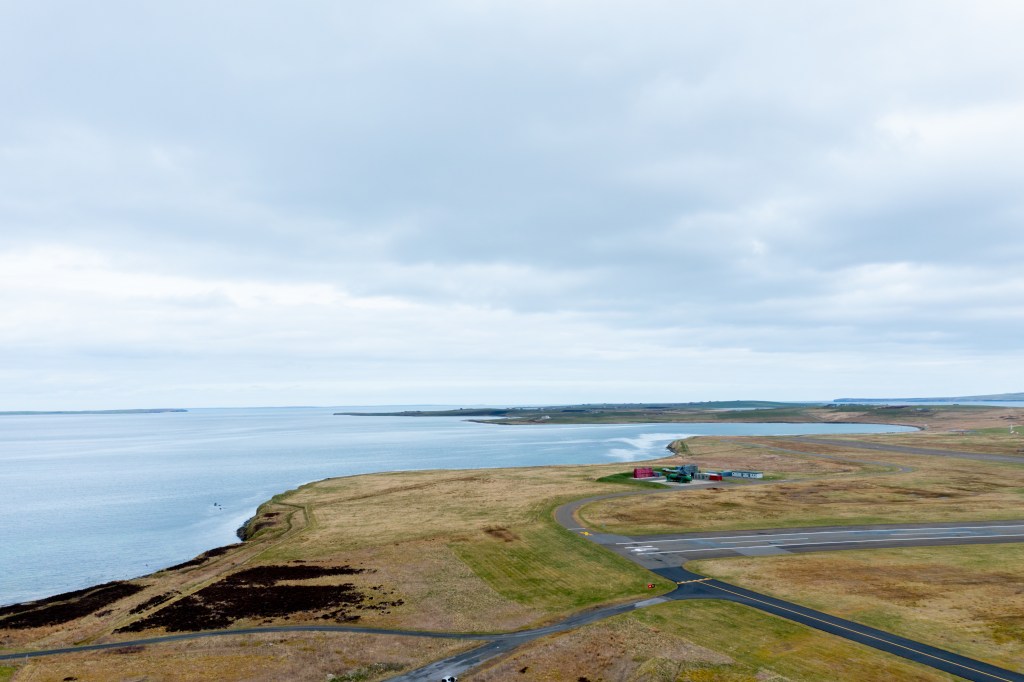
The evolution from a localised test centre at Kirkwall Airport, into a regional asset, has been pivotal. It signifies a broader impact, fostering collaboration and driving the integration of sustainable aviation into the very fabric of the Highlands and Islands’ transport network.
Jayne Gourlay, project coordinator, notes the local impact and the broader vision: “Since 2020, SATE has made remarkable strides in advancing low-carbon aviation in Orkney, strengthening the Islands’ reputation for sustainable innovation — a legacy I’m proud to contribute to as a local. The shift towards a regional strategy has expanded the project’s reach, opening new opportunities for businesses and reinforcing its mission to enhance connectivity and reduce emissions in the Highlands and Islands as a whole. SATE continues to shape the future of sustainable aviation, ensuring broader benefits for the region’s communities and economy.”
At its core, SATE is about enhancing connectivity, reducing emissions, and creating new economic opportunities – all while positioning the Highlands and Islands as a leader in sustainable innovation. None of the progress made over the past two years would have been possible without the support of UKRI Future Flight Challenge, and we’d like to take this opportunity to thank the team for all the guidance they’ve offered to help us achieve these milestones.
Looking back over the past two years, it’s clear that the project has laid strong foundations. The achievements are not just milestones on a timeline but building blocks for a more sustainable future. The journey has been challenging, but the potential rewards – cleaner skies, better services, and a thriving local economy – are significant. As we look forward, the potential for SATE to continue shaping the future of aviation is truly exciting.
 sate.scot