
Patrick Nolan, ATM advisor, HIAL, + Richard Derrett-Smith, Director, Egis
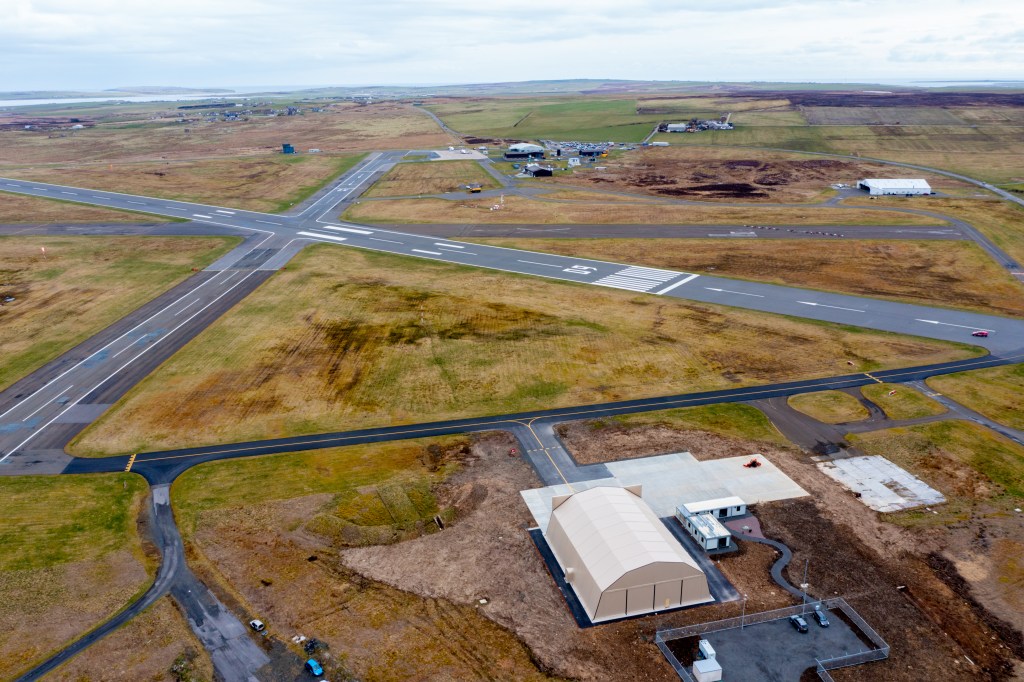
The Sustainable Aviation Test Environment (SATE) project has established the UK’s first operationally based low-carbon aviation test centre based at Kirkwall Airport on Orkney. Led by the Highlands and Islands Transport Partnership (HITRANS), SATE is at the forefront in progressing both the UK and Scottish government’s aviation and environmental aspirations and has already delivered new airport infrastructure at Kirkwall Airport and demonstrated hybrid-electric aircraft and logistics capabilities delivered by uncrewed aerial systems (UAS) – aircraft that are operated remotely without a human pilot on board.
Work Package 5 (WP5) of SATE focuses on exploring how UAS can be safely and efficiently integrated into current airspace with a particular focus on beyond visual line of sight (BVLOS) operations. This work package plays a crucial role in delivering an airspace design with associated Air Traffic Service (ATS) provision to achieve safer, more efficient, and more sustainable aviation operations from a licenced commercial airport.

The Orkney Islands: An ideal testbed for integrated drone operations
Highland and Islands Airports Ltd (HIAL), with the support of Egis, are establishing the Trial Orkney Test Zone (TOTZ) and associated Air Traffic Control (ATC) procedures in the Orkney Islands to facilitate a range of uncrewed aircraft BVLOS trials and operations. This activity is part of the CAA BVLOS Integration Sandbox which provides the project with additional CAA advice and guidance including enhanced access to the CAA’s expertise on airspace design, air traffic services, and UAS operations.
The Orkney Islands are an ideal testbed for the trialling of airspace to promote integrated UAS operations. The Class G airspace and relatively low traffic density is representative of 90% of UK airspace and the unique geography offers some compelling high social value use cases. These use cases include essential services, such as medical deliveries and other high-value, time-critical freight transport, all of which can be offered with significantly reduced waiting times and associated delivery costs.
What WP5 hopes to deliver
The WP5 Trial Plan includes testing the resilience of UAS technology and operating procedures to demonstrate safe and effective integration of crewed and uncrewed traffic in a realistic and sustainable operating environment. This integration includes both ground and airborne operations from Kirkwall Airport. A key objective of WP5 is to develop the airspace and operational requirements required to enable UAS operations to deliver integrated, routine commercially viable services.
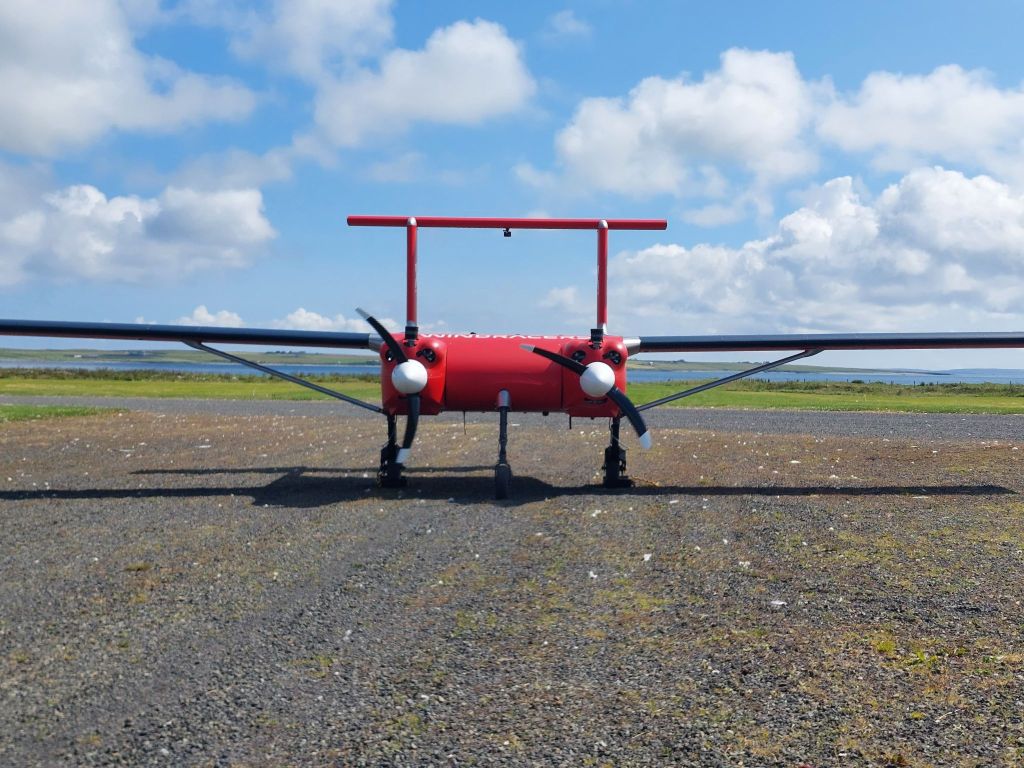
Jayne Golding, SATE Manager, said: “WP5 is focused on establishing an airspace design and ATS provision that facilitates the way that goods and services are delivered as part of an integrated operation. From delivering vital medical supplies to remote communities to reducing the carbon footprint of transportation, the potential applications of uncrewed technology are enormous. By harnessing the capabilities of UAS, SATE is paving the way for a future where transportation is not only faster and more efficient but also greener and more accessible to all.”
Looking ahead
The proposed airspace design and operational concept allows UAS to be integrated alongside crewed aircraft in uncontrolled airspace based on operations from a licenced commercial airport. If successful, the trial will provide a blueprint that could be rolled out more widely within Scotland and the wider UK. The work being carried out as part of WP5 is only the beginning. As the trials in the Orkney Islands continue, the insights gained will play a critical role in informing the next steps of UAS development with enormous potential to enhance connectivity in rural areas, reduce emissions, and optimise future airspace management.
 sate.scot